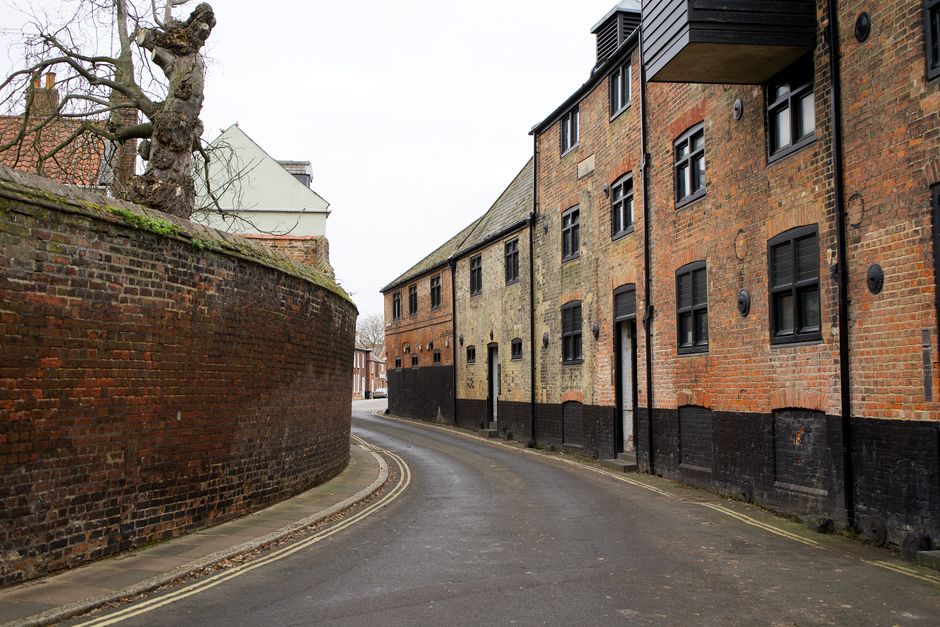
Kings Road removals tips for narrow street access

Moving along Kings Road sounds straightforward until you meet the real challenge: narrow street access, tight parking, awkward turns, and neighbours who are definitely not expecting a lorry outside their window at 7 a.m. If you are planning a move here, the detail matters. The difference between a calm move and a stressful one is often a few smart decisions made well before moving day. In this guide, we'll walk through practical Kings Road removals tips for narrow street access so you can plan properly, avoid common delays, and keep everything moving safely and efficiently.
Whether you are moving a flat above a shop, a family home with limited frontage, or a property tucked behind a busy stretch of the road, the same principle applies: measure first, book sensibly, and make access your priority. Let's get into the real-world stuff.
Why Kings Road removals tips for narrow street access Matters
Kings Road is lively, busy, and beautifully awkward in places. That is part of its charm, really. But for removals, narrow street access changes everything. Vans may not be able to park directly outside the property. Doors, bollards, lamp posts, bike stands, and one-way sections can all make loading slower than expected. Even if the address itself is easy to find, the final few metres can be the problem.
Why does this matter so much? Because the access plan affects timing, labour, cost, and risk. If your removal team has to park around the corner and carry furniture further than expected, the job can take longer. If they underestimate the size of the van, they may need to shuttle items in smaller loads. And if access is not checked properly, you can end up with a half-finished move and a lot of unnecessary tension. Not ideal.
In Chelsea, and especially around busy routes like Kings Road, successful removals are rarely about brute force. They are about preparation. Good access planning protects your belongings, your building, and your sanity.
For a broader look at Chelsea moving logistics and local context, you may also find this SW3 moving guide for Sloane Square removals useful, especially if your move crosses busy central streets.
How Kings Road removals tips for narrow street access Works
In practice, a narrow-street move works best when you treat access as a separate project, not just a small detail. The process usually starts with a site review, then a vehicle choice, then a loading plan. That sounds simple. It rarely is. Still, the logic is straightforward.
First, assess the street outside the property. Is there room for a removal van to stop safely? Is loading likely to happen from the front door, a side gate, a mews entrance, or a shared courtyard? Are there time restrictions or traffic patterns that will affect access during the morning rush?
Second, match the vehicle to the street. A huge truck is not automatically better. On narrow roads, a smaller vehicle or a flexible man and van setup can sometimes be the smarter option, because it reduces the need for awkward manoeuvring. If the road is tight but the load is modest, a compact moving vehicle may be more efficient than forcing a large van into an unsuitable space.
Third, create a loading sequence that reduces back-and-forth. Items that are bulky, fragile, or awkward should be ready first. If the property has stairs, tight hallways, or low ceilings, the team should know in advance so they can bring the right equipment and enough people.
This is where local knowledge helps. A team familiar with Chelsea tends to think one step ahead, which matters on roads where parking disappears quickly and every extra minute can become a problem. If you are comparing support options, the overview on moving services and support options can help you understand how different removal approaches fit different access conditions.
Key Benefits and Practical Advantages
There are very real benefits to planning a narrow access move properly, and they go beyond simply saving time. The biggest one is control. When access is thought through early, the move feels manageable instead of improvised.
- Less wasted time: crews can work faster when they are not constantly adjusting to access problems.
- Lower risk of damage: fewer sudden turns, fewer lifts through tight gaps, fewer scrapes on door frames and walls.
- Better vehicle choice: the right van size reduces stress and reduces the chance of needing a second trip.
- Safer handling: fewer awkward carries mean less strain on movers and less chance of dropped items.
- Cleaner communication: everyone knows where the vehicle will park, who is carrying what, and when each stage should happen.
There is also a quieter benefit: a better customer experience. You feel less rushed. The building feels less disrupted. Neighbours complain less. To be fair, that last one can be worth its weight in gold.
And if your move involves furniture that needs extra care, specialist furniture removals in Chelsea can be a sensible match for narrow, access-limited properties.
Who This Is For and When It Makes Sense
This guide is for anyone moving to or from Kings Road where the street outside is not exactly generous. That includes flat owners, tenants, landlords arranging changeovers, families in townhouses, and even business premises with awkward service access. If your front door opens straight onto a narrow pavement, or if the loading point is several houses away, this applies to you.
It is especially relevant if:
- you live in a basement or upper-floor flat;
- you have no off-street parking;
- the property sits on a one-way or heavily parked street;
- your larger items need dismantling before removal;
- you are moving at a busy time of day;
- you are dealing with a same-day move and there is little room for error.
Students moving smaller loads may still need smart access planning, just with a lighter touch. Families, on the other hand, often need a bigger vehicle, more packing discipline, and a bit more patience. If you are planning a compact relocation, man with van support in Chelsea may fit the job well. For fuller household moves, house removals in Chelsea are usually more appropriate.
Truth be told, access issues can affect almost any move in central London. Kings Road just makes them more obvious.
Step-by-Step Guidance
1. Check the route before you do anything else
Do not assume a van can simply pull up outside. Walk the route yourself if you can. Look for pinch points, delivery bays, low branches, busy crossing points, and stretches where double parking would be impossible. If you are dealing with multiple entry points, identify the easiest one for loading and unloading. It sounds obvious, but people miss it all the time.
2. Measure large items and access points
Measure sofas, wardrobes, beds, mirrors, and anything with awkward dimensions. Then check door widths, hallway corners, stair turns, and lift sizes if relevant. A sofa that fits your room may still fail at the landing. That moment is never fun. Knowing the measurements helps decide whether dismantling is needed before the removal team arrives.
3. Decide whether a larger van or a smaller vehicle works better
Sometimes a large removal van is ideal. Sometimes it is a nightmare. On very narrow access streets, a smaller vehicle or shuttle-style loading can work better. The key is matching the load to the street, not the other way around.
4. Prepare parking and access arrangements early
If parking is tight, plan exactly where the vehicle will stop and how long it will need to stay there. For some streets, the difference between a smooth move and a messy one is a ten-second parking decision. If your movers are handling a more complex job, a suitable removal van and a clear access plan can save the day.
5. Pack in an access-friendly order
Put the most needed items in the easiest-to-reach boxes, then pack the heavy items separately and label them clearly. Keep a small essentials bag with documents, chargers, medication, and keys. You do not want to be rummaging for a kettle while the van is already loaded. Been there, regretted that.
6. Protect the property as well as the furniture
Narrow access means more contact with walls, bannisters, and corners. Use protective coverings, sturdy wrapping, and gloves where needed. If the building has communal hallways, it is worth being respectful and tidy. A quick sweep afterwards goes a long way. Small thing, big impression.
7. Build a realistic timing buffer
Access delays happen. A delivery truck may block the road. A neighbour may need a brief passage. A lift may be in use. Give yourself breathing room so a five-minute delay does not turn into a cascade of panic. If you are moving same day, the buffer matters even more. For short-notice situations, same-day removals in Chelsea are worth considering only when the access plan is clear and the load is manageable.
Expert Tips for Better Results
Here is the part where experience really pays off. The best narrow-street moves are not just well planned; they are slightly overplanned in a good way. A little extra detail now saves a lot of headache later.
Tip 1: Treat the street like a working space. If the van cannot sit comfortably outside for loading, plan the loading zone as if it were a temporary workspace. Keep the path clear. Assign roles. Decide who is opening doors, who is carrying, and who is checking the route. That reduces chatter and confusion.
Tip 2: Think about body movement, not just item size. Some items are not wide, but they are awkward. A tall bookcase, an angled lamp, or a narrow but heavy chest can create more trouble than a larger item with clean edges. Narrow access is about shape, angle, and handling, not just volume.
Tip 3: Dismantle more than you think you need to. Wardrobe doors, bed frames, table legs, and shelving can often be removed before the move. That keeps corners from catching on stair turns. It is tedious, yes. But it helps.
Tip 4: Keep neighbours in mind. On a busy Chelsea street, a bit of courtesy goes a long way. If your movers need a moment on a shared pavement or near a doorway, a friendly word can prevent friction. You do not need to become best friends. Just civil and clear.
Tip 5: Use a service that understands local access issues. A generic move team may do fine on open streets. But tight Kings Road access benefits from local knowledge and practical planning. If you want a fuller picture of local relocation support, Chelsea removals can be a useful place to start when comparing options.
Expert summary: narrow-street removals work best when vehicle size, packing order, loading point, and timing are planned together. Leave one of those out, and the whole job becomes harder than it needs to be.
Common Mistakes to Avoid
The most common mistakes are usually simple. That is what makes them so frustrating. They are easy to avoid, but easy to overlook when you are busy.
- Booking the wrong vehicle size: too large can mean access problems; too small can mean extra trips.
- Ignoring loading restrictions: some streets feel available until you try to stop a van there.
- Not measuring furniture properly: one awkward item can slow the entire move.
- Leaving everything to the morning of the move: access planning should happen well before moving day.
- Forgetting building rules: communal properties often have specific timings, lift bookings, or entry arrangements.
- Underestimating how long carrying takes: the walk from van to door matters more than people expect.
A slightly funny truth: most moving problems do not begin as disasters. They begin as "that should be fine." Then, half an hour later, everyone is moving sideways through a hallway with a lamp in one hand and optimism in the other.
If you are dealing with bulkier pieces or a mixed household load, exploring man and a van services in Chelsea can sometimes make more sense than forcing a one-size-fits-all removal approach.
Tools, Resources and Recommendations
You do not need a van full of specialist kit to handle a narrow-access move, but a few sensible tools make a real difference. Most of them are simple, and that is the point.
- Measuring tape: for doors, furniture, hallways, and stair turns.
- Furniture blankets and wrap: for protecting surfaces from scrapes.
- Straps and trolleys: for safer handling of heavier items.
- Labels and markers: for keeping boxes organised and easy to place.
- Floor protectors: useful in homes with polished floors or tight corners.
- Basic toolkit: for dismantling beds, tables, and shelving.
On the planning side, look for services that give clear pricing, practical advice, and a straightforward booking process. It is also sensible to review insurance and payment information before confirming anything, especially when access is difficult and the move involves valuable items. The pages on insurance and safety and payment and security are worth reading if you want to understand how a move is handled with care and clarity.
If you are comparing moving formats, this quick table may help.
| Option | Best for | Strengths | Trade-offs |
|---|---|---|---|
| Small van / compact load | Light moves, single flats, tight streets | Easier parking, easier manoeuvring | May need extra trips |
| Standard removal van | Moderate household moves | Better capacity, fewer trips | Harder on very narrow streets |
| Man and van | Flexible local moves, quick turnarounds | Adaptable, often efficient | Less suitable for very large loads |
| Full removals team | Larger homes, heavy furniture, complex access | More manpower, better handling | Usually more coordination required |
For packing support, packing and boxes in Chelsea can help if you want to get the load organised before the van arrives. And if you need temporary room for belongings because access is staged over more than one day, storage in Chelsea may be the sensible bridge.
Law, Compliance, Standards, or Best Practice
Without getting bogged down in legal detail, there are a few best-practice points to keep in mind for narrow-street removals in London. The main one is simple: do not assume loading is acceptable just because it is convenient. Check local parking conditions, building rules, and any access arrangements in advance. If a vehicle is stopping in a restricted or busy space, that needs proper thought. Common sense matters here, and so does respect for the street.
Moving teams should also work safely. That means sensible lifting, clear walkways, secure stacking, and proper handling of fragile items. Good removal practice is not flashy. It is careful. If your property has stairs, shared entrances, or tighter-than-average corridors, a cautious approach protects both people and property.
You may also want to ask about sustainability habits, especially if packing materials or furniture disposal is part of the move. A responsible company should be clear about recycling and waste handling rather than treating everything as a black bag problem. If that matters to you, recycling and sustainability is a useful topic to review before moving day.
And for general company background and standards, it can help to look at about us and health and safety policy so you know the service takes both people and property seriously.
Options, Methods, or Comparison Table
When access is tight, the main question is not just "how do we move?" but "which method is least likely to create friction?" Here is a simple comparison of the most common approaches.
| Method | Access Suitability | Typical Use Case | Best Feature |
|---|---|---|---|
| Direct van-to-door loading | Only when the street allows it | Open frontage, easy parking | Fastest when it works |
| Shuttle loading | Good for narrow or restricted streets | Van parks nearby and smaller loads are carried | Flexible and realistic |
| Mixed vehicle approach | Useful for awkward access and larger moves | Items split between vehicles | Balances capacity and access |
| Full removal team with compact vehicle | Strong for complex stair and street access | Heavier household moves in Chelsea | More manpower for awkward lifting |
In many Kings Road situations, shuttle loading is more practical than trying to force a big vehicle into a tight spot. It may feel less direct, but often it is the smoother option. Less drama. Fewer blocked kerbs. Better control.
Case Study or Real-World Example
Picture a move from a second-floor flat off Kings Road. The property has a narrow stairwell, no lift, and only limited stopping space outside. The customer has a sofa, a dining table, two beds, and a fairly ordinary amount of boxes, nothing outrageous. On paper, not too bad. In reality, the street is busy by mid-morning and parking disappears fast.
The solution is not magic. It is planning. The movers assess access the day before, confirm a compact parking point nearby, and arrive with protective wrapping, a trolley, and enough labour to avoid constant backtracking. The sofa is dismantled in advance. Fragile boxes are loaded last, not first. The customer keeps one essentials bag with them rather than burying it in a box mountain. Small choices, but they stack up.
Because the loading route is short and clearly agreed, the move feels controlled. There is still effort, obviously. You cannot make a narrow street wide just by being polite. But the crew is not wasting time guessing where to stop or how to turn. That is the difference. And by lunchtime, the flat is empty and the street is calm again, which is a nice feeling.
If your move is part of a broader flat transition, the guide to flat removals in Chelsea may give you a better sense of how compact properties are usually handled.
Practical Checklist
Use this checklist before moving day. It keeps things simple, and simple is good when streets are tight.
- Walk the route from property to vehicle point.
- Measure the largest furniture and the narrowest access points.
- Confirm whether parking or loading space is realistic.
- Decide if a small van, standard van, or shuttle approach makes sense.
- Dismantle items that could catch on corners or stairs.
- Label boxes by room and priority.
- Keep essentials separate and easy to reach.
- Protect floors, walls, and bannisters where possible.
- Build in extra time for delays.
- Confirm any building rules, lift bookings, or access timings.
- Review insurance and safety details before the move.
- Check disposal or storage needs in advance.
If you are moving with a smaller team, a man with a van in Chelsea may suit a lighter access challenge, while larger or more complex moves are better matched with broader removal services in Chelsea.
Get a free quote today and see how much you can save.
Conclusion
Narrow street access on Kings Road does not have to make moving day miserable. With the right measurements, the right vehicle, and a calm plan for loading and parking, the whole process becomes much more manageable. That is really the heart of these Kings Road removals tips for narrow street access: prepare properly, reduce surprises, and respect the limits of the street rather than fighting them.
Good removals are rarely about doing everything at speed. They are about doing the right things in the right order. If you get access right, everything else tends to feel easier. A bit less chaos. A bit more confidence. And that counts for a lot on moving day.
When in doubt, slow down, measure again, and choose the method that keeps the move safe and steady. That is usually the smartest move of all.
Frequently Asked Questions
What is the biggest challenge with Kings Road removals and narrow street access?
The main challenge is usually parking and manoeuvring space. Even if the property itself is easy to enter, the street outside may not allow a large van to stop safely for long. That means loading plans, van size, and timing matter a great deal.
Should I choose a small van or a full removal van for a narrow Chelsea street?
It depends on the size of your move. A smaller vehicle can be much easier on tight streets, but a larger removal van may be better for bigger household loads. The best choice is the one that fits both the access and the amount you are moving.
How far in advance should I check access for my move?
As early as possible, ideally well before moving day. A quick walk-through can reveal issues that are easy to miss on a normal visit, such as blocked kerbs, tight stair turns, or awkward loading points.
Do I need to dismantle furniture before a narrow-street move?
Not always, but it is often a good idea. Anything bulky, tall, or awkward should be considered for dismantling if it could cause problems on stairs, in hallways, or while loading through a narrow entrance.
What should I do if parking outside is not possible?
Plan a nearby loading point and use a shuttle-style approach if needed. In many narrow-street moves, the van parks a short distance away and items are carried or wheeled to it in an organised sequence.
Are man and van services suitable for Kings Road access problems?
They can be, especially for lighter loads or quicker local moves. For a more complex home move, you may need a fuller removal setup. It comes down to volume, access, and how much lifting is involved.
How can I protect my property during the move?
Use floor coverings, furniture wrap, and careful handling around corners, door frames, and stair railings. Narrow access often means more contact with surfaces, so a cautious, slow approach helps prevent damage.
What if my move involves a lot of stairs?
Then it is worth planning for extra labour and extra time. Stairs increase the physical effort of the move and make access planning even more important. Measure the stairwell and note any awkward turns before the team arrives.
Can I do a same-day move on Kings Road if access is tight?
Yes, sometimes, but only if the load is manageable and the access plan is clear. Same-day removals can work well for smaller or more straightforward jobs, but tight streets leave less room for last-minute surprises.
What if I also need storage during the move?
Storage can be very helpful if access, timing, or property handover is staggered. It gives you breathing room and reduces pressure on the move day itself, especially when narrow-street logistics are already demanding.
How do I know whether my removal company understands narrow street access?
They should ask practical questions: street width, parking, stairs, item sizes, loading point, and timing. If they sound more interested in the details than the sales pitch, that is usually a good sign.
Is narrow street access more difficult for flats than houses?
Usually, yes. Flats often bring stairwells, shared entrances, limited waiting space, and more furniture handling through internal spaces. Houses can still be tricky, but flats tend to create more layers of access issues.
What is the most overlooked part of a narrow-street move?
The walking distance between the van and the door. People focus on the van size and forget how many trips, turns, and carry distances are involved. That little detail can change the whole pace of the move.