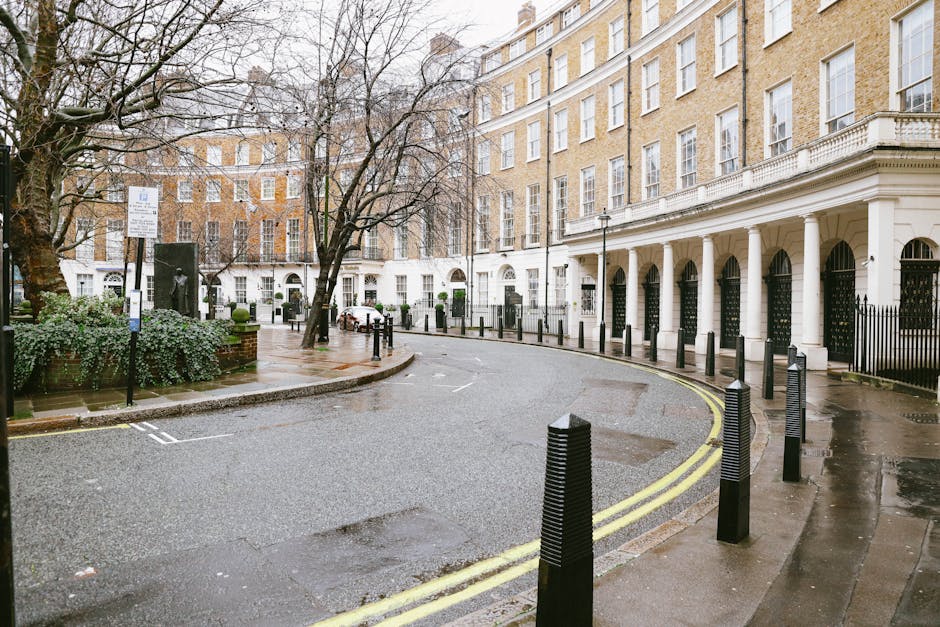
Chelsea SW3 moving guide for Sloane Square removals
Posted on 20/06/2026

Chelsea SW3 Moving Guide for Sloane Square Removals
Moving in Chelsea SW3 has its own rhythm. Streets are busy, parking can be awkward, entrances are often tighter than you expect, and a perfectly ordinary move can become a bit of a puzzle if you do not plan ahead. That is exactly why a Chelsea SW3 moving guide for Sloane Square removals matters: it helps you think through the local details before moving day starts throwing little surprises at you. Whether you are leaving a flat near Sloane Square, moving into a townhouse off the main roads, or helping a business relocate nearby, the right preparation saves time, stress, and a fair bit of heavy lifting.
This guide walks you through how local removals work, what to expect, and how to avoid the common headaches that catch people out in SW3. You will also find practical tips, a simple checklist, and a few comparison points to help you choose the most sensible moving option for your situation. Let's make it feel manageable, not manic.
Why Chelsea SW3 moving guide for Sloane Square removals Matters
Chelsea and Sloane Square sit in one of London's most desirable but logistically tricky pockets. That combination is lovely for day-to-day life, less lovely when a van is trying to stop safely, a hallway is narrow, and a sofa refuses to turn the corner. A local move here is rarely about brute force. It is about timing, access, building rules, loading space, and a clear plan.
If you have ever watched a removals crew pause to work out whether they can legally and safely stop for ten minutes without blocking traffic, you already know the point. In SW3, the best moves are the ones that feel calm because the details were handled early.
It also matters because many people moving around Sloane Square are not just shifting boxes. They may be moving from a rented flat to another rental, upgrading to a larger home, or relocating a home office between addresses. Others are moving a single valuable item, such as a piano or a bulky wardrobe, and need a careful service rather than a generic van-and-go arrangement. For those situations, it helps to understand the difference between Chelsea removals, a man with van service, and a more structured house removals option.
Expert summary: In Chelsea SW3, moving success usually comes down to access planning, the right vehicle size, and accurate packing more than anything else. Get those three right and the day becomes dramatically easier.
There is a local knowledge angle too. Chelsea's streets, building styles, and traffic patterns shape the move in a way that a generic checklist cannot fully capture. For broader context on the neighbourhood and its lifestyle, you may also find this Chelsea neighbourhood overview and these local living tips useful.
How Chelsea SW3 moving guide for Sloane Square removals Works
The process is straightforward on paper and a little more detailed in practice. First, you assess what needs moving and where access might be awkward. Then you choose the right type of removal support, book a slot, and prepare the property so moving day does not stall on small obstacles.
Most local moves in this part of London follow the same broad pattern:
- Survey the property and items: count boxes, furniture, appliances, and any awkward pieces.
- Check access: stairs, lifts, loading points, parking restrictions, and building entry arrangements matter a lot.
- Select the right service: a simple van move works for some jobs, while larger homes or fragile items need a fuller removals setup.
- Pack and label carefully: rooms, contents, and priority items should be easy to identify.
- Confirm timings: early starts are often better in busy London zones, especially where parking and traffic can slow things down.
- Move, unload, and place items: the best teams do not just drop things at the door; they help make the new place usable faster.
If you are comparing flexible options, it can help to look at man and a van services in Chelsea, a dedicated removal van choice, or a more supported removal services package. Each one has a different feel. To be fair, the right one is usually the one that matches the size of the move rather than the one with the flashiest name.
For people moving a flat near Sloane Square, it is also worth considering whether a specialist flat removals service is the better fit. Flats in Chelsea often mean stairs, shared entrances, and tighter turns, so a service built around apartment moves can save a lot of effort.
Key Benefits and Practical Advantages
The biggest advantage of local knowledge is predictability. A move can be physically demanding, yes, but the real stress often comes from uncertainty: will the van fit, can the crew park nearby, will the building manager allow access, will the sofa clear the stairwell? A well-planned Chelsea SW3 move answers those questions in advance.
Here are the practical benefits people notice most:
- Less wasted time: careful planning reduces waiting around at the kerb or in the lobby.
- Lower risk of damage: professional handling matters when corridors are tight and furniture is valuable.
- Better packing discipline: clear labels and proper box selection make unpacking far less annoying, which is saying something.
- Improved safety: fewer rushed lifts, fewer awkward carries, and less chance of injury.
- More control over costs: the right size vehicle and realistic time estimate can avoid needless extras.
- Less neighbour friction: efficient loading and unloading keeps the peace in shared buildings and residential streets.
There is also a hidden benefit: a properly managed move gives you emotional breathing room. You arrive at the new place with enough energy to sort the essentials, make tea, find the kettle, and actually feel like you live there. That sounds small, but on moving day it is huge.
If your move is business-related, the same logic applies. Office furniture, files, and equipment benefit from a structured approach, which is why some people choose office removals in Chelsea rather than trying to improvise with a small van and good intentions.
Who This Is For and When It Makes Sense
This guide is useful for more people than you might think. It is not just for homeowners with a full house to clear. In fact, some of the most delicate local moves are the smaller ones. A single-bedroom flat with narrow access can be trickier than a bigger property with a straightforward driveway.
You will get the most value from this guide if you are:
- moving into or out of a Chelsea SW3 flat near Sloane Square;
- relocating a family home in the area;
- downsizing and need help deciding what to take, store, or sell;
- moving a student property or short-let setup and want speed over complexity;
- transporting bulky, fragile, or high-value items;
- moving a small office, studio, or consultancy space;
- looking for a same-day or short-notice move because plans changed, as they sometimes do.
Students and younger renters often benefit from lighter services, especially where the move is mostly boxes, bags, and a few essentials. In those cases, student removals in Chelsea or a simple man with a van arrangement can make sense. If you need something quick, same-day removals in Chelsea can also be worth considering, provided the access and item list are realistic. Same day is handy. Also a little chaotic. You know the type.
If your move involves very specific or delicate items, the service choice becomes more important. For example, a grand piano, upright piano, or antique cabinet should not be treated like a standard box run. In those cases, specialist help such as piano removals or furniture removals is often the safer option.
Step-by-Step Guidance
If you want a move to go smoothly, do not wing it. A bit of structure goes a long way.
- Start with a room-by-room audit. Walk through the property and note what is moving. Separate essentials, valuables, and anything you are not taking. This is also a good time to decide what can be donated, stored, or recycled.
- Measure the awkward things. Sofas, wardrobes, dining tables, mirrors, and appliances need attention. In Chelsea, a piece that looks simple in a room can become awkward at the stairwell. Measure doorways too, not just the item.
- Check access at both addresses. Ask about parking, loading points, lifts, stair width, entry codes, and any restrictions from the building or managing agent. Even one missing detail can slow things down.
- Book the right support. Decide whether you need a full removal team, a smaller van-based move, or help with packing as well. If you are unsure, compare options against the available service range.
- Pack by priority. Put everyday items in clearly labelled boxes and keep an essentials bag for the first night. Kettle, chargers, toiletries, paperwork, basic tools. All the boring bits that suddenly become essential.
- Prepare a moving-day path. Clear hallways, protect flooring where needed, and make sure fragile items are already taped and ready.
- Keep key documents accessible. Tenancy papers, inventory notes, keys, parking details, and payment confirmations should stay on hand. Not buried under towels. We have all done that once.
- Do a final sweep. Check cupboards, the loft, behind doors, and under beds. A tiny lost item can cause more annoyance than it should.
If storage is part of the plan, perhaps because your completion date and move-in date do not line up neatly, then it is worth looking at storage in Chelsea before moving day rather than after the panic sets in.
For packing support, especially with fragile household items, packing and boxes in Chelsea can be a sensible starting point. Good boxes are not glamorous, but they are the quiet heroes of the whole process.
Expert Tips for Better Results
After enough local moves, a few patterns become obvious. The people who do well are not always the ones with the smallest job. They are the ones who prepare with a bit of realism.
- Use fewer, stronger boxes rather than too many weak ones. Overstuffed boxes slow the crew down and make carrying awkward.
- Label every box on two sides. One side is never enough once boxes are stacked in a van.
- Keep one box for first-day essentials. If you need to search twenty boxes for a phone charger, the day has gone sideways already.
- Photograph valuable items before the move. This is sensible for your own records and helps if there is later confusion about condition.
- Reserve a parking plan early. In busy SW3 streets, that matters more than people expect.
- Move high-value or delicate items separately if needed. A small second run can be better than cramming everything into one attempt.
- Be honest about access. A short stair flight can still be a big deal if the furniture is bulky.
One small but useful tip: keep a short handwritten note of where the essentials should go in the new place. Kitchen, bedroom, office, loft. It sounds old-fashioned, but it saves time when everyone is tired and the boxes all look the same. Truth be told, that little note can be the difference between a smooth evening and a mildly chaotic one.
If you are comparing pricing and service levels, spend a bit of time on pricing and quotes so you understand what is included. Cheaper is not always worse, but vague is rarely good.

Common Mistakes to Avoid
A lot of moving stress comes from avoidable mistakes. Nothing dramatic, just a dozen small oversights stacking up.
- Leaving packing too late: last-minute packing leads to broken items, missing labels, and a frazzled mood.
- Ignoring parking and access: if the van cannot stop safely, everything slows down.
- Choosing the wrong vehicle size: too small means extra trips; too large can be awkward on narrow streets.
- Forgetting to protect furniture: scratches on polished wood are annoyingly easy to make.
- Not checking building rules: some properties have specific loading windows or lift arrangements.
- Assuming all items can be lifted the same way: heavy, fragile, and awkward objects need different handling.
- Mixing essentials with storage items: if it matters in the first 24 hours, keep it separate.
There is also the classic mistake of underestimating the emotional side of moving. Chelsea addresses may look polished and the move may sound simple, but people still get tired, distracted, and a bit sentimental as the day goes on. That is normal. Build a little cushion into the schedule.
If you need a broader relocation partner rather than an ad hoc solution, it may help to review removal companies in Chelsea and compare how different approaches suit your move size and complexity.
Tools, Resources and Recommendations
You do not need a warehouse full of equipment. But a few practical tools make the process far easier.
- Sturdy boxes: especially for books, crockery, and paperwork.
- Packing tape and markers: simple, reliable, and indispensable.
- Furniture blankets or wraps: useful for protecting wood, glass, and upholstered items.
- Basic toolkit: screwdrivers, Allen keys, and a small torch can save time during dismantling and reassembly.
- Colour labels or room stickers: a quick visual system helps people place boxes correctly.
- Storage plan: if you are between homes, book storage early rather than treating it as an emergency patch.
It can also help to read around Chelsea life a little if you are new to the area. For lifestyle context and a sense of what living nearby is actually like, the articles on buying homes in Chelsea and Chelsea property investment give a useful wider picture. They are not moving guides, exactly, but they help explain why people often stay in the area and why relocations here can be quite specific.
And if you want a quick overview of available support, Chelsea removal services and man with van options are both worth checking against your timeline and item list.
Law, Compliance, Standards, or Best Practice
Moving home is not the same as a regulated legal service, but there are still sensible UK standards and everyday obligations that matter. In Chelsea SW3, the most practical compliance issues usually relate to safe lifting, parking, building access, and the responsible handling of goods.
From a customer perspective, the main things to think about are:
- Insurance and safety: ask what cover is in place for goods in transit and what handling procedures are followed.
- Property access rules: check lease or building arrangements for lifts, loading bays, or time windows.
- Data and privacy: if an office move includes paperwork or stored records, keep sensitive documents secure during transit.
- Ethical standards: choose providers that show clear policies and responsible working practices.
A good removals service should be able to explain its approach in plain English. That includes terms, payment handling, and how issues are managed if something does not go to plan. If you are the sort of person who likes to understand the fine print before anything starts, it is worth reviewing insurance and safety guidance, terms and conditions, and payment and security information. Nothing glamorous there, but very useful.
For companies with sustainability goals, or simply for people who dislike waste, recycling and sustainability practices can be relevant too. Packing materials, old furniture, and unwanted items should be handled thoughtfully where possible.
Options, Methods, or Comparison Table
Choosing the right moving method in Chelsea SW3 is often the difference between a smooth morning and a long, awkward day. Here is a simple comparison to make the choice easier.
| Option | Best for | Strengths | Watch out for |
|---|---|---|---|
| Man and a van | Small flats, lighter loads, quick local runs | Flexible, usually efficient, good for short-distance moves | May not suit large furniture or full-house moves |
| Removal van | Medium-sized moves or mixed contents | Better capacity, more practical for multiple items | Requires good access planning in busy streets |
| Full house removals | Family homes, larger furniture sets, more complex relocations | Structured support, better for bigger loads and fuller service needs | Needs more lead time and a clearer inventory |
| Same-day removals | Urgent, short-notice moves | Speed and adaptability | Less forgiving if access or packing is not ready |
| Storage plus removals | Gap between move-out and move-in dates | Flexibility and peace of mind | Needs planning so the essentials are not buried away |
If you are still unsure, ask yourself a simple question: are you moving boxes, or are you moving a household? The answer usually points you in the right direction. A smaller job may suit man and van services, while a larger or more delicate one may call for house removals or a broader Chelsea removals setup.
Case Study or Real-World Example
Picture a couple moving from a second-floor flat near Sloane Square into a townhouse a short distance away in Chelsea SW3. On paper, it sounds easy. Same area, short distance, not many miles. In practice, the flat has a narrow stairwell, the new property has a restricted loading window, and one of the main furniture pieces is a large corner sofa that does not enjoy tight turns. Not dramatic, just annoying.
They start by clearing the flat a few days ahead of time and separating essentials from everything else. They book a service that can handle both the furniture and the boxes, and they confirm access details for both addresses. On the day, the crew arrives with a sensible vehicle size, wraps the sofa properly, and uses a room-by-room unloading plan at the new property. The move finishes with fewer delays than expected, and the couple is not left staring at a pile of mystery boxes at 7 p.m.
What made the difference? Not luck. Planning, realistic service choice, and a full understanding of the local access issues. Nothing fancy. Just solid basics done properly.
There was one slightly funny moment, apparently: the kettle was packed in the most carefully labelled box of the whole lot, while the tea bags were somehow in "miscellaneous." Happens more often than people admit.
Practical Checklist
Use this checklist in the days leading up to your move. It keeps things simple and prevents those last-minute panic loops.
- Confirm your move date, access times, and key collection arrangements.
- Check parking or loading arrangements at both addresses.
- Measure large furniture and awkward entry points.
- Decide whether you need packing help, storage, or specialist item handling.
- Gather boxes, tape, labels, and protective materials.
- Pack an essentials bag for the first 24 hours.
- Label boxes by room and priority.
- Protect fragile items and disassemble furniture where needed.
- Keep paperwork, keys, and valuables separate.
- Do a final walk-through before the van leaves.
Quick reminder: if your property has unusual access or you are unsure about service type, it is better to ask early than improvise later. A two-minute question now can save a two-hour problem on moving day.
Get a free quote today and see how much you can save.
Conclusion
A Chelsea SW3 moving guide for Sloane Square removals is really about one thing: turning a busy, access-sensitive move into a manageable process. The area is beautiful, central, and full of character, but it rewards preparation. If you know what you are moving, how your property works, and which service type fits the job, you put yourself in a much stronger position before the first box is lifted.
Take the time to plan properly, keep your essentials close, and choose support that fits the reality of your move rather than the fantasy of a quick one. That is usually the difference between a day you remember fondly and a day you'd rather not repeat. And honestly, that is a worthwhile bit of effort.
Once the boxes are in and the door closes behind you, the whole place starts to feel like yours. That's the nice part, really.